ESPECIAL


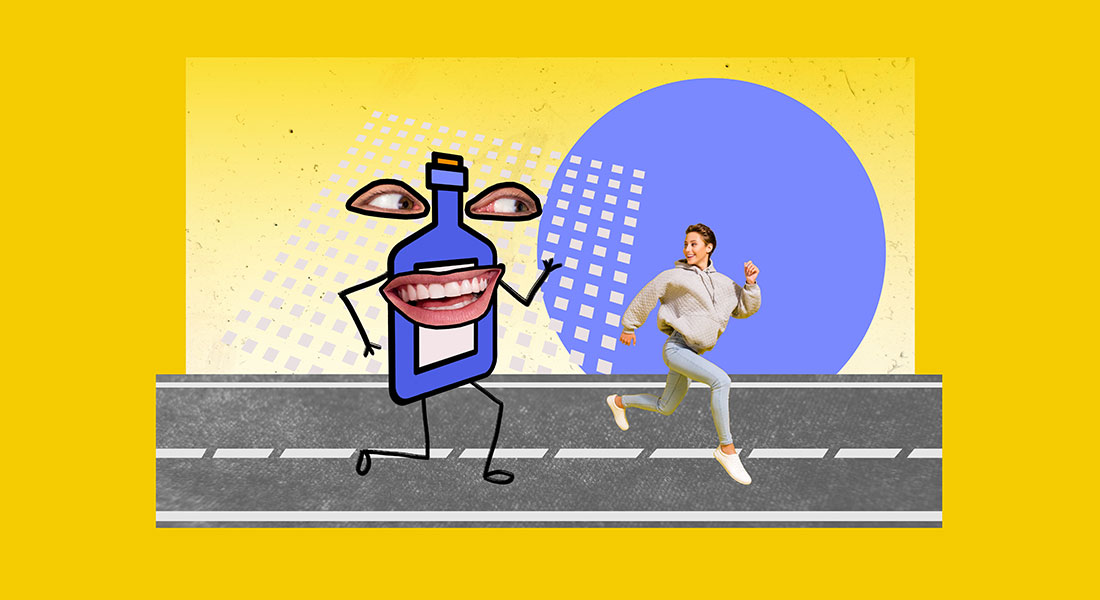
Generation Z - broadly defined as those born between the mid-1990s and early 2010s- is redefining social norms in many areas of life, particularly health and wellness. One of the most striking departures from previous generations is a significant decline in alcohol consumption. For many young adults today, social life is no longer organized around drinking. Instead, Gen Z is increasingly embracing lifestyles that prioritize physical health, mental clarity and long-term well-being.
This shift is driven in part by a heightened awareness of alcohol’s health risks. Raised with constant access to information, Gen Z has grown up exposed to research linking alcohol consumption to negative physical and mental health outcomes. Practices once normalized — even celebrated — by earlier generations are now subject to skepticism. Alcohol is increasingly seen not as a harmless social aid but as an obstacle to fitness goals, quality sleep and emotional stability. As a result, moderation—or complete abstinence—has become not only acceptable, but aspirational.
Mental health awareness has also played a crucial role in this shift. Gen Z has been notably open about discussing anxiety, depression and stress, helping to destigmatize conversations that were often avoided in the past. Alcohol, a known depressant, is widely understood to exacerbate these conditions. For a generation already navigating academic pressure and economic uncertainty, maintaining emotional stability is often a priority. Choosing not to drink is less an act of defiance than one of self-preservation. Therapy, mindfulness, journaling and exercise have emerged as preferred coping mechanisms, replacing reliance on substances.
The rise in fitness culture has further reinforced these lifestyle choices. Social media platforms have amplified trends around physical activity, clean eating, and holistic wellness. Influencers promote gym routines, running clubs, yoga, and nutritious diets, making fitness both aspirational and accessible. Alcohol — with its empty calories and adverse effects on performance and recovery — frequently runs counter to these goals. Weekends are increasingly spent hiking, training or attending fitness classes instead of engaging in heavy drinking.
Economic pressures also play a role. Saddled with student debt, rising housing costs and an uncertain job market, Gen Z is often more financially constrained than its predecessors. Alcohol, particularly in bars and clubs, is a costly indulgence. Opting out of drinking can be a practical financial decision as well as a health-conscious one. Additionally,this generation tends to be more goal-oriented and pragmatic, often prioritizing career development and personal growth over short-term excess.
Another important factor is the evolution of social life. Unlike earlier generations, Gen Z relies less on in-person gatherings centered on alcohol to build relationships. Digital communication, gaming, and online communities offer alternative spaces for connection. As a result, alcohol is no longer a prerequisite for social belonging, and sober events are becoming increasingly normalized.
Taken together — heightened health awareness, mental health advocacy, fitness culture, economic pressure and changing modes of social interaction — these forces are redefining what it means to enjoy life. For many alcohol is no longer a rite of passage but a conscious choice, often declined. In its place, balance, intention and well-being have emerged as markers of a fulfilling life, signaling a broader cultural shift away from excess and toward sustainability.